


Living on your own or covering all the bills without splitting costs has become a serious financial squeeze. The cost of living is constantly climbing. Because of this, managing finances on a single income can feel like an uphill battle by the first week of the month.
Don’t sweat it: you don’t need to cut out every bit of fun or live on an extreme austerity budget to make ends meet. Right here, you will learn practical steps for managing finances on a single income. This way, you can organize your cash flow without the stress or fluff.
Ready to take control of your bank account and make your hard-earned money go further? Discover how to master managing finances on a single income and start building true financial independence today.
Why Traditional Rules Can Break Anyone Living on One Income

Many financial pundits swear by the classic 50/30/20 rule without looking at the realities of daily life. The textbook formula tells you to allocate 50% of your take-home pay to essentials, 30% to personal wants, and 20% to savings and debt payoff.
Yet that breakdown completely falls apart when you carry a household solo in the United States. Inescapable fixed expenses like metro rent, utilities, insurance premiums, and health care routinely eat up far more than half of a single paycheck.
Trying to shoehorn 30% into leisure when basic overhead is steep only breeds budget deficits and guilt. That is why the smartest move is adopting cash flow frameworks. These should be built specifically to defend a single-stream budget.
Smart Budgeting Methods to Protect Your Paycheck Every Month
How to Adjust Percentages in the Real World Without Feeling Deprived
Instead of forcing arbitrary targets, customize your budget splits to match local living expenses:
- Modelo 65/15/20: Allocate 65% to living essentials, 15% to personal spending, and 20% to savings and investments. This split provides breathing room in major US metropolitan areas. Housing costs run high in these locations.
- Modelo 75/10/15: Channel 75% toward core bills, 10% toward discretionary lifestyle, and 15% toward building your safety net. This setup offers realistic protection for single parents. It is also ideal for professionals early in their careers.
Calibrating defensive budget splits gives you immediate financial stability without the burnout of chasing impossible standards.
The Zero-Based Budgeting Secret to Assign Every Dollar a Job
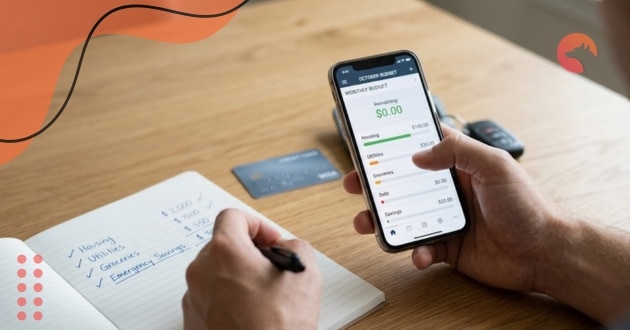
Zero-based budgeting gives you crystal-clear visibility into where every cent travels. The mechanics are simple: take-home income minus all planned expenditures, sinking funds, and investments equals zero.
Before your paycheck hits the account, give every single dollar a dedicated assignment. Doing this prevents idle cash from sitting in checking. Otherwise, it easily vanishes into impulse buys and takeout orders.
In practice, intentional pre-allocation plugs the everyday money leaks that usually fly under the radar.
How Sinking Funds Keep Surprise Expenses from Derailing Your Progress
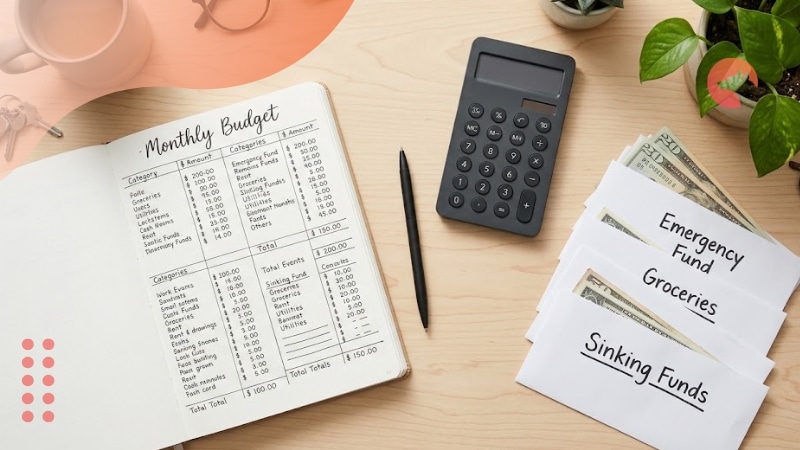
Irregular expenses often wreck budgets for households lacking a secondary income cushion. However, sinking funds act as shock absorbers, protecting your regular cash flow against lumpy bills.
Set up separate sub-accounts or high-yield savings accounts (HYSA) to steadily fund predictable periodic costs:
- Routine car maintenance, new tires, and vehicle registrations;
- Annual property tax bills and home or auto insurance premiums;
- Medical deductibles, doctor copays, and prescription refills;
- Back-to-school gear, seasonal expenses, and course enrollments.
Where to Cut Structural Expenses Without Sacrificing Your Quality of Life (managing finances on a single income)
Before tackling major lifestyle overhauls, scoring quick wins in your daily routines frees up immediate breathing room. If you need fast relief on this week’s expenses, check out these quick financial tips to save money. They will help curb unnecessary leaks right away.
Proven Strategies to Lower Housing Costs Without an Abrupt Move (Managing finances on a single income)
Housing remains the single heaviest line item in any US household budget. Keeping roof costs tightly managed is the most effective way to avoid cash crunches:
- Negotiate lease terms or renewal rates with your landlord well before your contract expires;
- Look into house hacking, such as renting out a spare bedroom, storage area, or designated parking spot to offset payments;
- Research adjacent neighborhoods or nearby commuter suburbs. These areas offer lower costs per square foot alongside solid transit access.
Trimming even a small percentage off your housing overhead turns rent savings directly into peace of mind and liquid wealth.
How to Cut Redundant Transportation and Healthcare Costs Safely (Managing finances on a single income)
Maintaining two financed vehicles in a home powered by one income stream is an unnecessary financial drag.
Downsizing to a single car wipes out monthly auto payments, duplicate auto insurance policies, state registration fees, and routine maintenance costs.
Healthcare also warrants strategic planning.
Choose an employer-sponsored High-Deductible Health Plan (HDHP) paired with a Health Savings Account (HSA). This combination allows you to fund qualified medical expenses with pre-tax dollars. At the same time, it lowers your recurring monthly payroll deductions.
Why You Need a Larger Emergency Fund to Sleep Soundly at Night (Managing finances on a single income)
The standard advice to hoard three months of living expenses simply does not cut it for single earners. Landing a new role or navigating industry shifts across the US job market frequently takes longer.
Aim instead for a robust emergency reserve covering 6 to 12 months of non-negotiable living costs. Park this safety net in high-yield savings accounts backed by the FDIC or short-term Treasury Bills (T-Bills). This guarantees immediate liquidity and risk-free yield.
To plan your reserve systematically, consult official guidance from the Consumer Financial Protection Bureau, which outlines automated strategies to build long-term savings without stressing your daily budget.
Having this cushion means you can navigate stormy seasons with confidence, without relying on punishing credit card debt.
Reliable Debt-Crushing Strategies to Unlock Your Financial Future
High-interest credit card balances and personal loan rates rapidly erode your purchasing power. To break free, adopt a mathematically sound or behaviorally proven repayment strategy:
- Avalanche Method: Funnel every spare dollar toward the balance carrying the highest Annual Percentage Rate (APR). Meanwhile, pay the minimums on the rest. Mathematically, this eliminates balances with the least amount paid in interest.
- Snowball Method: Target the account with the smallest dollar balance first. Knocking out small debts gives you fast psychological wins, fueling the momentum you need to cross the finish line.
Pick the system that best matches your mindset and stay consistent until every high-cost liability is history.
The Proven Roadmap to Building Financial Freedom on a Single Income (Managing finances on a single income)
Living on one income never has to mean permanent sacrifice or setting aside your personal ambitions. In reality, it simply requires strategic clarity, deliberate allocation, and a resilient defensive foundation.
By executing a zero-based budget, beefing up your cash reserves, and cutting silent overhead, you turn potential financial vulnerability into durable independence. Every intentional dollar you steer strengthens your control and brings lasting peace of mind.
Take the first step today. Tally up your essential monthly expenses, set your emergency fund milestone, and take total ownership of your financial destiny.